
Biblical education
The Teachers Behind a New Generation
The people who prepare future ministers carry a responsibility that reaches far beyond the platform on graduation day.
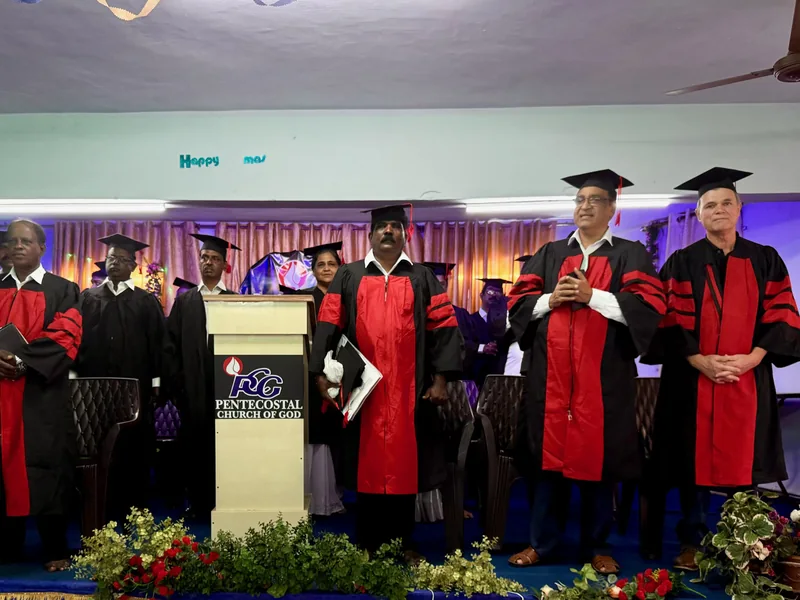
The people beside the lectern
At a graduation, the gowns and the lectern naturally draw our attention. They give a public shape to an occasion that matters. The leaders gathered here also direct our thoughts toward the quieter work of education: explaining patiently, setting an example and helping another person become ready to carry responsibility. One generation has an opportunity to strengthen the next.
For a student, teaching is often remembered through a person. A patient explanation, a question taken seriously or a correction delivered with kindness can stay in the memory long after the details of a lesson fade. These are familiar possibilities in education. They remind us why the character of those who teach matters alongside the material being taught.
The example Jesus gave
John 13 takes us into the supper before the Passover. Jesus washes his disciples’ feet and then asks them to consider what their Lord and Teacher has done. His authority is expressed through a humble act of love. He gives an example and calls his disciples to follow it in their relationships with one another.
Cornelis Bennema’s study of leadership in John emphasizes the way Jesus teaches through personal example. That gives Christian educators a searching standard. A lesson about service becomes clearer when the teacher treats people with dignity. An appeal to humility carries weight when questions are welcomed. The model begins with Jesus, whose love and approaching death give the whole passage its depth.
King James BibleCornelis Bennema on Jesus and leadershipWhat future ministers need to see
Mark 10 records a dispute about honor. James and John have asked for prominent places, and the other disciples are indignant. Jesus teaches them that greatness among his followers is expressed in service. He brings the conversation to his own mission of giving his life as a ransom for many. Christian leadership takes its direction from him.
This vision gives those preparing others for ministry a deeply personal responsibility. There is room for the person still gathering the courage to speak and the question that needs more time. Leaders can reflect on the care they offer, the way they listen during disagreement and the responsibility they accept. Daily conduct gives the teaching a visible expression and helps others experience its meaning.
Mookgo Kgatle on servant leadershipLearning through relationship
Our two Bible colleges serve across two states, with approximately 35 young leaders graduating annually. This is an ongoing educational responsibility. Each new group needs opportunities to think carefully, practice responsibly and receive guidance from people who take both truth and the learner seriously. The work is personal because those being prepared will carry responsibilities that affect other lives.
Preparing a minister involves the whole person. Knowledge, character and practical service belong together because each will touch other lives. A learner may remember a teacher’s patience as clearly as an explanation. The way a difficult question is received can become a pattern for later conversations. Teaching offers both understanding and an example of how to treat people.
Mwangi and de Klerk on theological educationPreparing a whole congregation
Ephesians 4 looks beyond the gifted leader to the building up of the whole body. Teachers and other ministers serve a larger purpose: believers growing toward maturity in Christ and learning to serve together. A future pastor will need that perspective. The congregation is a community of people to be equipped, each with something to contribute.
A teacher who makes room for another person’s growth participates in that larger work. The student may eventually speak with a different voice, serve in another setting or face questions the teacher never encountered. Faithful preparation gives that person roots in Scripture and a pattern of thoughtful dependence on God. It leaves room for continued learning and faithful service.
Timothy van Aarde on Ephesians 4An influence that travels
The influence of a teacher can travel far beyond the classroom. A clear explanation may help a future minister teach with confidence. A patient correction may shape the way that minister later guides someone else. A pattern of humility may leave room for another person to grow. Such influence often passes quietly from one relationship to the next.
That is why the next generation deserves teachers who love the Word of God and love the people learning it. Their work asks for patience that receives little attention and integrity that lasts beyond a ceremony. When a college celebrates its students, there is room to honor this responsibility too: helping another person become ready to serve.
Cornelis Bennema on Jesus and leadershipReferences
- John 13, King James VersionKing James Version, 1611.
- Jesus' authority and influence in the Gospel of John: towards a Johannine model of leadershipCornelis Bennema; Scriptura 115, 2016.
- Servant leadership: An urgent style for the current political leadership in South AfricaMookgo S. Kgatle; Verbum et Ecclesia 39(1), a1815, 2018.
- An Integrated Competency-Based Training Model for theological trainingJames K. Mwangi and Ben J. de Klerk; HTS Teologiese Studies/Theological Studies 67(2), 2011.
- The missional church structure and the priesthood of all believers (Ephesians 4:7-16) in the light of the inward and outward function of the churchTimothy A. van Aarde; Verbum et Ecclesia 38(1), a1709, 2017.
More from India Messenger Bible College
Biblical education
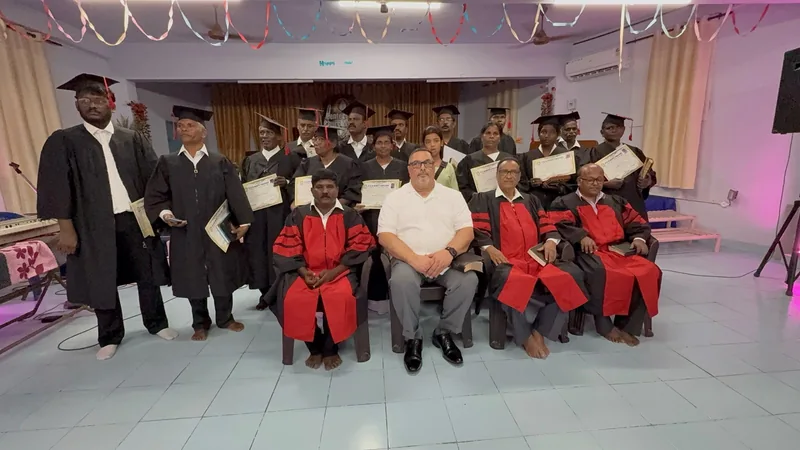
Thirty Five Graduates and the Churches Ahead
A graduation photograph records a moment. The deeper purpose of ministry education reaches into the lives of people these leaders may one day serve.
Read the story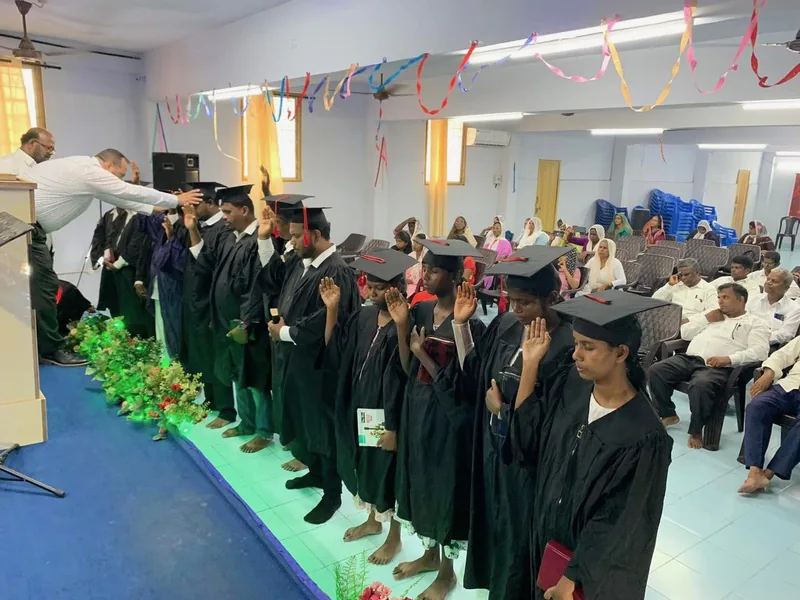
Biblical education
Why We Pray With Graduating Students
The prayers surrounding a graduation express a simple conviction: those who prepare to serve others also need the care of God and his people.
Read the story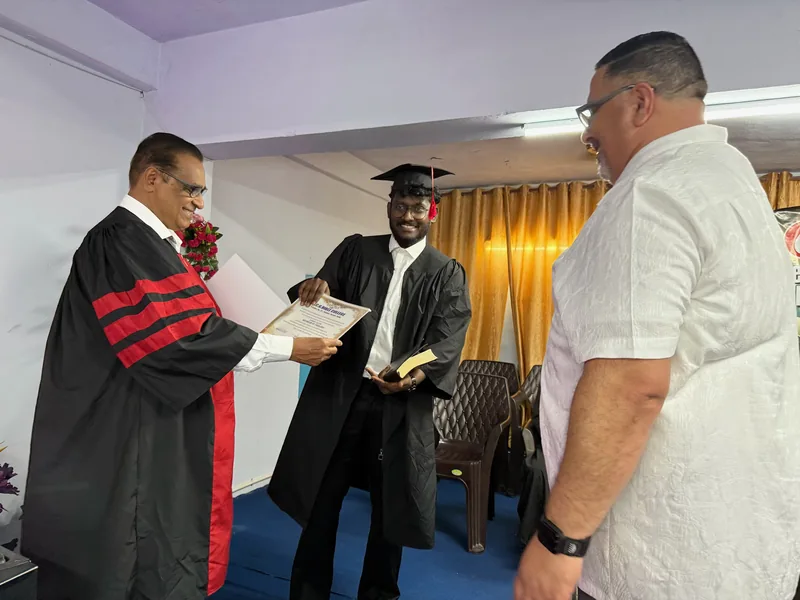
Biblical education
What a Certificate Can Begin
A certificate marks an achievement. Its deeper promise is the thoughtful, patient service that learning can make possible.
Read the story