
Church life
A Church Is Made of People
At PCG Alppara, gathered worship and everyday welcome belong to the same calling: a church where people learn Scripture, pray together and care for one another.
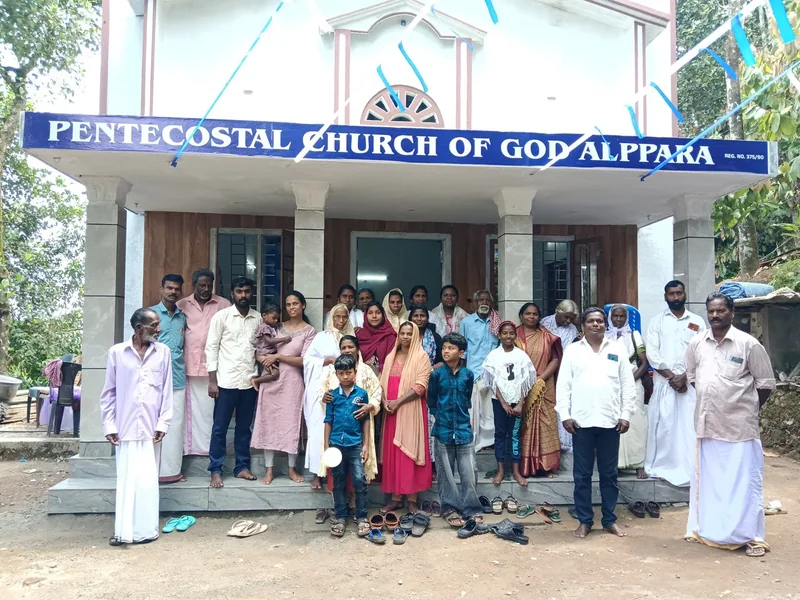
The people at the heart of church life
The sign reads Pentecostal Church of God, Alppara. Beneath it, a congregation gathers for a photograph. Adults and children stand outside the doors. The building gives the gathering a recognizable place, but the people give it a human face. A church becomes easier to understand when we stop looking only at its walls and begin considering the lives that meet within them.
Acts 2:42 to 47Pentecost led to a shared life
Acts 2 begins with the coming of the Holy Spirit in Jerusalem and Peter’s proclamation of the risen Jesus. Its closing verses turn our attention to the life of those who received that message. The new believers continued in the apostles’ teaching, fellowship, the breaking of bread and prayer. Their response to God included sustained relationships with one another.
These practices belong together. Teaching gives fellowship its Christian substance. Prayer keeps shared life dependent on God. The breaking of bread brings faith into the places where people sit together. The account also describes possessions being shared according to need. For Pentecostal faith, the Spirit’s work reaches into the everyday responsibilities of a community. Expectation of God’s power belongs beside attention to a neighbor’s wellbeing.
Kelebogile Resane’s Pentecostal reading of Acts 2 brings teaching, fellowship, prayer and practical sharing into one account of the church’s life. That connection helps us understand fellowship as a continuing responsibility. A meal can give someone room to speak. An invitation can interrupt the feeling of being overlooked. Christian teaching gains a visible expression when those who hear it also practice generous attention.
Acts 2:42 to 47Kelebogile Resane on Acts 2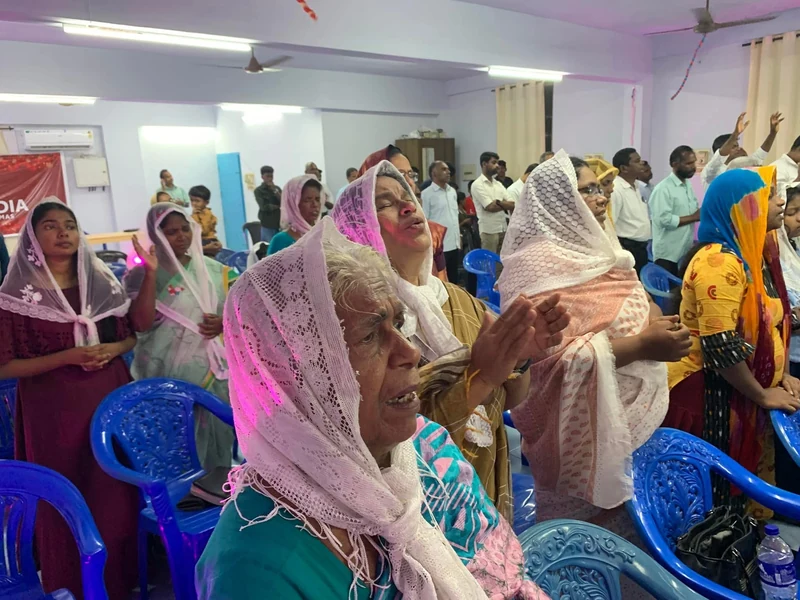
Every person has a place
Paul gives this belonging a memorable shape in 1 Corinthians 12. He compares the congregation to a body whose different members need one another. Corinth was troubled by division, including rivalry around spiritual gifts. Tsholofelo J. Kukuni’s study follows how Paul directs those gifts toward unity and the common good. The eye cannot dismiss the hand, and the head cannot dismiss the feet. Importance is not measured by visibility.
That is a generous calling for every church, including our own. A confident speaker and a quiet listener each deserve care. Children learning to pray and people who have carried their faith through many seasons share in the life of the congregation. Scripture calls us to honor the whole person, receiving each other with the warmth of a family whose members are loved.
1 Corinthians 12Tsholofelo Kukuni on 1 Corinthians 12Hospitality makes room for another person
Romans 12 places hospitality within a rich account of Christian love. Romans 12:13 says, “Distributing to the necessity of saints; given to hospitality.” Paul writes about honoring one another, serving the Lord, enduring difficulty, continuing in prayer and sharing with people in need. The instruction to welcome others grows from that wider pattern. It asks believers to spend attention, time and resources on someone beyond themselves.
A church can begin by listening. A person might appreciate companionship, practical information or a quiet conversation. Another may be happy simply to exchange a greeting. Thoughtful hospitality gives room for people to speak and participate in ways that feel comfortable to them. Its warmth comes from receiving a neighbor with care and allowing a relationship to develop honestly.
Romans 12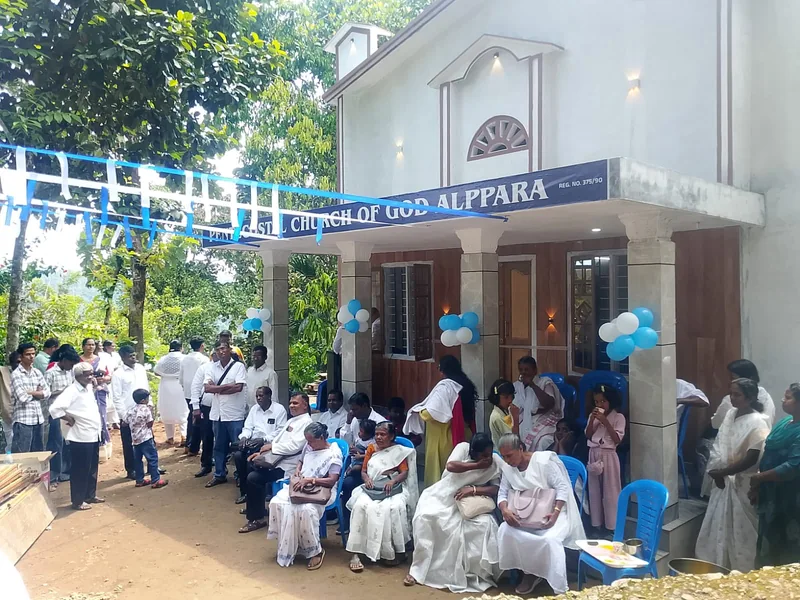
Leadership is tested in the way we serve
In Mark 10, James and John seek places of honor, and the other disciples become indignant. Jesus responds by teaching them about greatness through service. His words lead to the unique purpose of his own life: he came to serve and to give his life as a ransom for many. Christian leadership must be understood within that account of Christ’s self giving love.
Anyone leading a congregation has an opportunity to make others feel welcome. Listening carefully is part of that service, whether a person is speaking from the front or sharing a conversation afterward. A leader can notice someone at the edge of a gathering and make space for them to join in. Humility becomes visible through the consistent use of influence for another person’s good.
Mark 10Mookgo Kgatle on servant leadership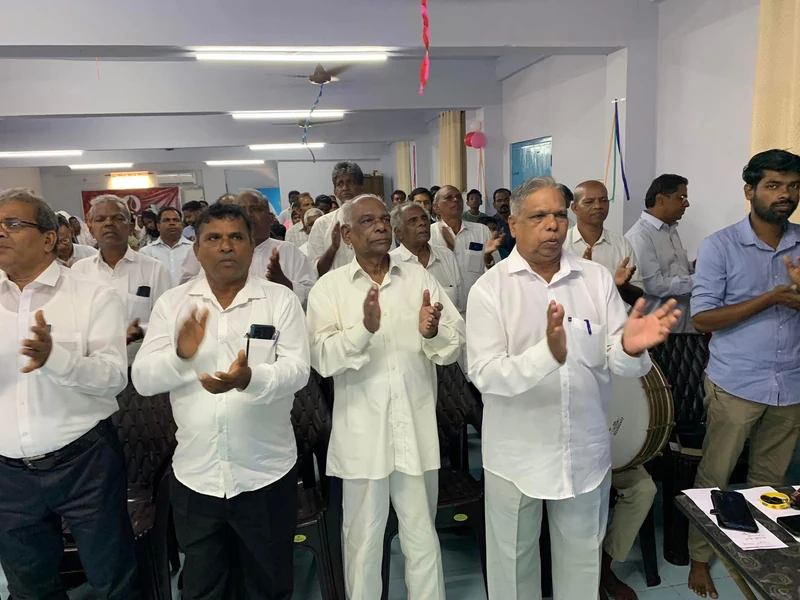
A local congregation in a diverse country
India’s 2011 Census recorded about 27.8 million Christians, or 2.3 percent of the population, across Christian traditions. That historical national picture places Alppara within a much larger and religiously diverse country. A local church lives out its faith among people with different beliefs, backgrounds and traditions. Its witness takes shape through the words it speaks and the relationships it builds.
A congregation’s public witness includes how it treats neighbors of other faiths. Patient listening, honest dealings and practical kindness make Christian convictions visible in ordinary relationships. Gospel witness calls us to speak of Christ with clarity and treat the person before us with respect. These are local expressions of faithfulness, built through the care offered in each conversation and encounter.
Census of India: religionKelebogile Resane on Acts 2The work that continues between photographs
Rev. Samuel K. Thomas and his family returned to India in 1991 to devote themselves to gospel ministry. His work has included pioneering churches across southern India. Local congregations remain at the heart of our ministry because church planting carries a hope for people: that the gospel will take root in communities where believers continue learning, serving and caring for one another across the years.
What deserves our attention is the kind of life Scripture calls a congregation to build. Someone should be missed when they are absent. Someone should be heard when they are struggling. Someone should find patient company while learning to follow Christ. These are commitments for every church to pursue. They give meaning to the simple word together, until a gathering becomes a community where people know they matter.
Acts 2:42 to 471 Corinthians 12References
- RGI releases Census 2011 data on Population by Religious CommunitiesOffice of the Registrar General and Census Commissioner, India; Ministry of Home Affairs, 2015.
- Acts 2:42 to 47, King James VersionThe Holy Bible.
- 1 Corinthians 12:18 to 27, King James VersionThe Holy Bible.
- Pentecostal missional ecclesiology based on Acts 2:42-47 contributes towards sustainable development in communitiesKelebogile Resane, Missionalia 52(1), 2024.
- Spiritually gifted and divided? A text-centred interpretation of 1 Corinthians 12:1-31aTsholofelo J. Kukuni, In die Skriflig 58(1), 2024.
- Romans 12:9 to 18, King James VersionThe Holy Bible.
- Mark 10:42 to 45, King James VersionThe Holy Bible.
- Servant leadership: An urgent style for the current political leadership in South AfricaMookgo S. Kgatle, Verbum et Ecclesia 39(1), 2018.
More from Our churches
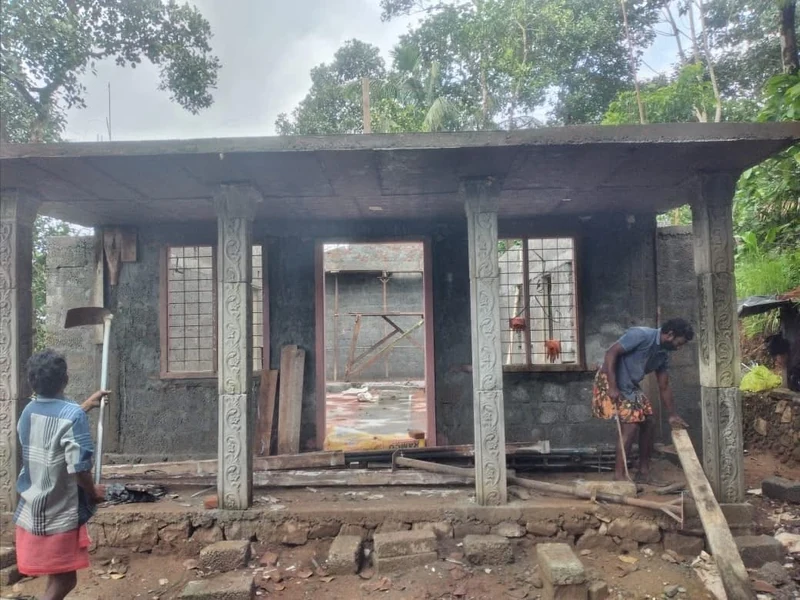
Church life
Building a Place to Belong
Concrete, timber and patient work give shape to a church building. The purpose reaches into human lives: a place to gather, hear Scripture and care for one another in the love of Christ.
Read the story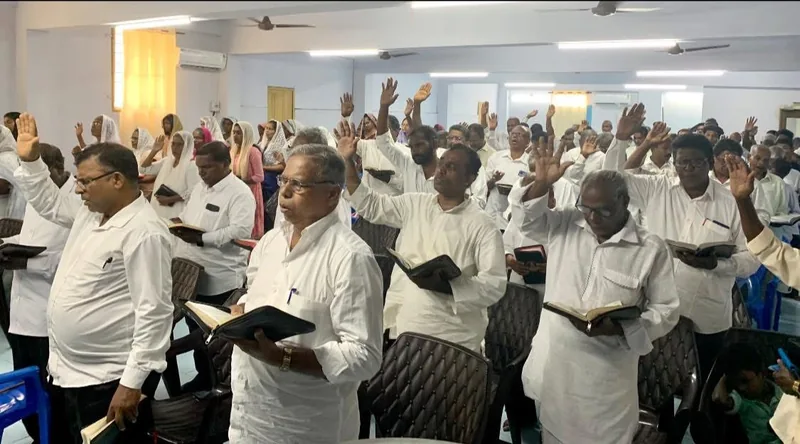
Scripture and worship
Open Bibles and a Shared Faith
Pentecostal worship makes room for heartfelt prayer and careful understanding. The words a congregation hears should help its people know Christ and care for one another.
Read the story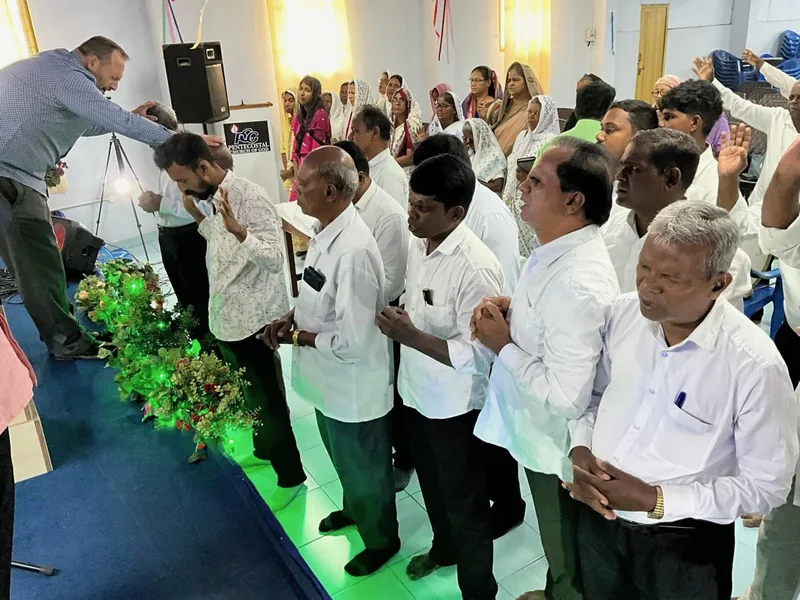
Prayer and mission
A Church That Prays Together
Shared prayer gives a congregation a way to bring its hopes before God, seek the Holy Spirit’s guidance and remember that Christian service is a responsibility carried together.
Read the story