
Prayer and mission
A Church That Prays Together
Shared prayer gives a congregation a way to bring its hopes before God, seek the Holy Spirit’s guidance and remember that Christian service is a responsibility carried together.
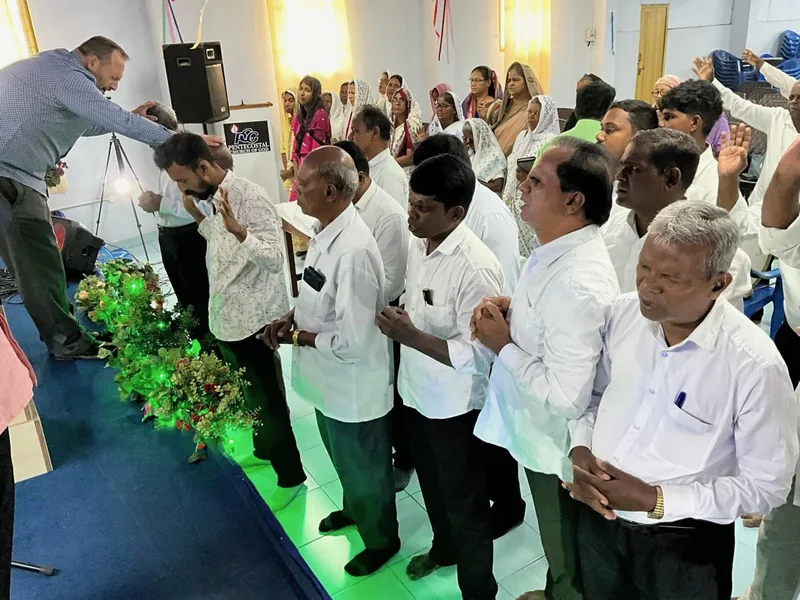
A moment of shared attention
A row of people stands near the platform while a minister prays. Others are gathered behind them, with hands raised and heads bowed. The photograph records a church making room for a shared act of dependence on God. For a moment, attention is gathered around prayer, an act through which believers bring their need, gratitude and hope before the Lord.
There is a human significance to that shared attention. A concern carried alone can feel difficult to put into words. Christian fellowship offers a place where people may bring their needs before God in the company of others. Compassion leaves room for both honest conversation and privacy, surrounding the person with respect as the congregation joins in prayer.
Romans 12The church prayed before it sent
Acts 13 begins in Antioch in Syria, where prophets and teachers are ministering to the Lord and fasting. The Holy Spirit directs the setting apart of Barnabas and Saul for the work to which he has called them. The church fasts, prays, lays hands on them and sends them. Luke presents mission arising within a worshiping community responding to the Spirit.
Muthuphei A. Mutavhatsindi’s study of Acts 13 and 14 places the Holy Spirit at the center of mission and follows the sending church’s role in responding. The setting is Antioch in Syria, before the travelers reach Antioch in Pisidia later in the chapter. For Pentecostal believers, this is a pattern of shared attentiveness: seeking God, responding to his direction and accepting responsibility for people being sent.
There is comfort in that shared responsibility. The person preparing to serve belongs within a community that can pray, listen and remain concerned for the work ahead. Acts gives the central place to the Holy Spirit’s initiative while showing believers involved in responding. Dependence on God makes room for the help of other people, and the courage to serve can be sustained within relationships of prayerful care.
Acts 13Muthuphei Mutavhatsindi on Acts 13Prayer belongs to the congregation’s everyday life
Prayer also appears in Acts 2 among the continuing practices of the believers in Jerusalem. It belongs beside the apostles’ teaching, fellowship and the breaking of bread. Luke’s account connects their response to God with a life shared in practical ways. Prayer is part of the rhythm of belonging, rather than an activity reserved only for a public crisis or a special meeting.
For a church today, that rhythm can encourage patient faithfulness. People can remember one another between services, pray for those preparing to serve and give thanks when help arrives. There is a place in Christian fellowship for this steady, continuing attention. The quiet willingness to keep praying expresses trust in God and reminds us to remain attentive to one another.
Acts 2:42 to 47Kelebogile Resane on Acts 2Expectation and understanding belong together
Pentecostal prayer welcomes the present work and gifts of the Holy Spirit. First Corinthians 14 places that openness within the responsibility to build up the gathered church. Paul speaks about praying with the spirit and with understanding. He also addresses interpretation and order, because the congregation should benefit from what takes place. Love shapes how gifts are exercised.
When we pray together, we want people to feel welcome to join us. Clear words, patient leadership, and a peaceful gathering help us seek God side by side. We can bring both gratitude and uncertainty before the Lord, trusting him while caring tenderly for one another.
1 Corinthians 14Tsholofelo Kukuni on 1 Corinthians 14The care that follows the amen
Romans 12 joins perseverance in prayer with sharing in the needs of believers and practicing hospitality. This gives prayer a practical direction. A congregation that remembers someone before God can also learn to listen, offer appropriate help and remain present. Spiritual care and ordinary kindness belong within the same Christian calling, with sensitivity to what a person actually wants or needs.
Our ministry’s story includes the return of Rev. Samuel K. Thomas and his family to India in 1991 and the church planting that followed. Prayer remains part of how we share responsibility for our congregations. We pray for faithful teachers, patient leaders, and churches growing in love, asking God to guide us as we care for one another.
Romans 12Muthuphei Mutavhatsindi on Acts 13References
- Acts 13:1 to 4, King James VersionThe Holy Bible.
- Acts 2:42 to 47, King James VersionThe Holy Bible.
- Romans 12:9 to 16, King James VersionThe Holy Bible.
- 1 Corinthians 14:12 to 19 and 26 to 33, King James VersionThe Holy Bible.
- Pentecostal missional ecclesiology based on Acts 2:42-47 contributes towards sustainable development in communitiesKelebogile Resane, Missionalia 52(1), 2024.
- The preliminary urban missionary outreach of the apostle Paul as referred to in Acts 13-14Muthuphei A. Mutavhatsindi, Verbum et Ecclesia 38(1), 2017.
- Desire spiritual gifts that edify: A text-generated persuasion of 1 Corinthians 14:1-40Tsholofelo J. Kukuni, Verbum et Ecclesia 46(1), 2025.
More from Our churches
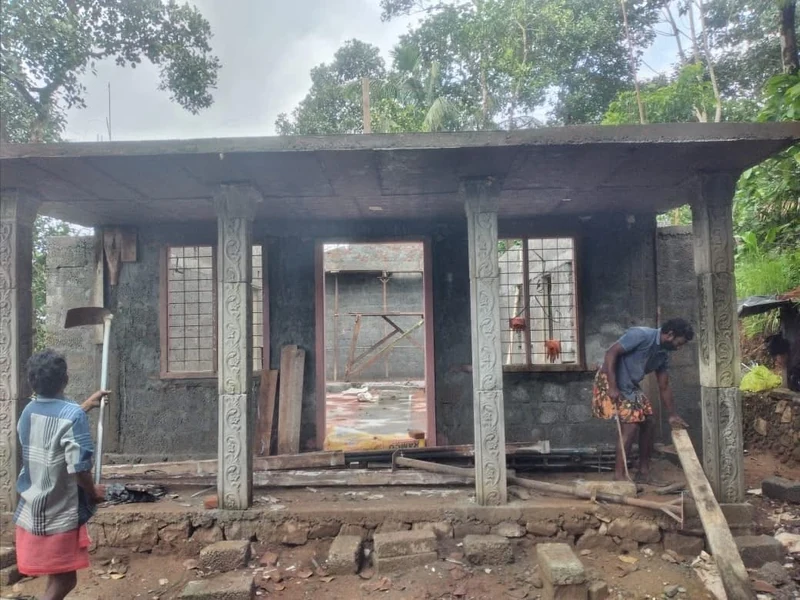
Church life
Building a Place to Belong
Concrete, timber and patient work give shape to a church building. The purpose reaches into human lives: a place to gather, hear Scripture and care for one another in the love of Christ.
Read the story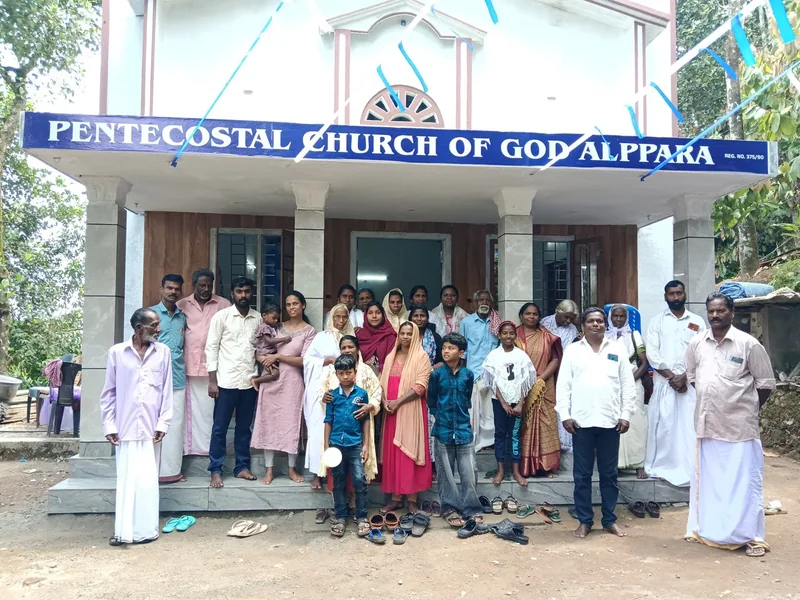
Church life
A Church Is Made of People
At PCG Alppara, gathered worship and everyday welcome belong to the same calling: a church where people learn Scripture, pray together and care for one another.
Read the story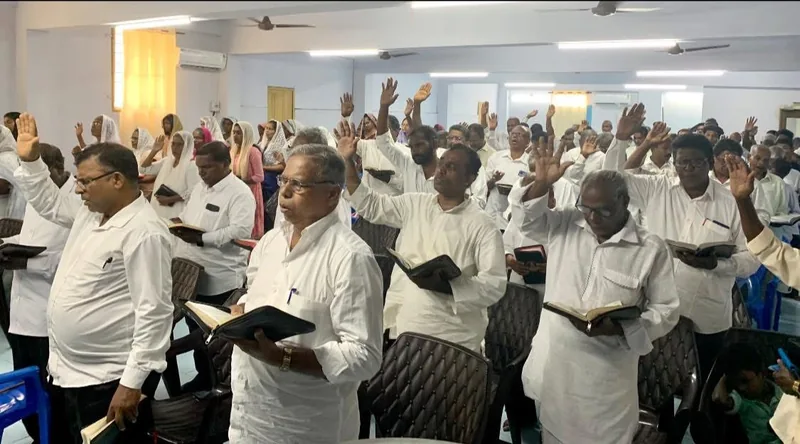
Scripture and worship
Open Bibles and a Shared Faith
Pentecostal worship makes room for heartfelt prayer and careful understanding. The words a congregation hears should help its people know Christ and care for one another.
Read the story